Website Notes · July 10, 2026
How to Choose a Logo Designer for Your Business
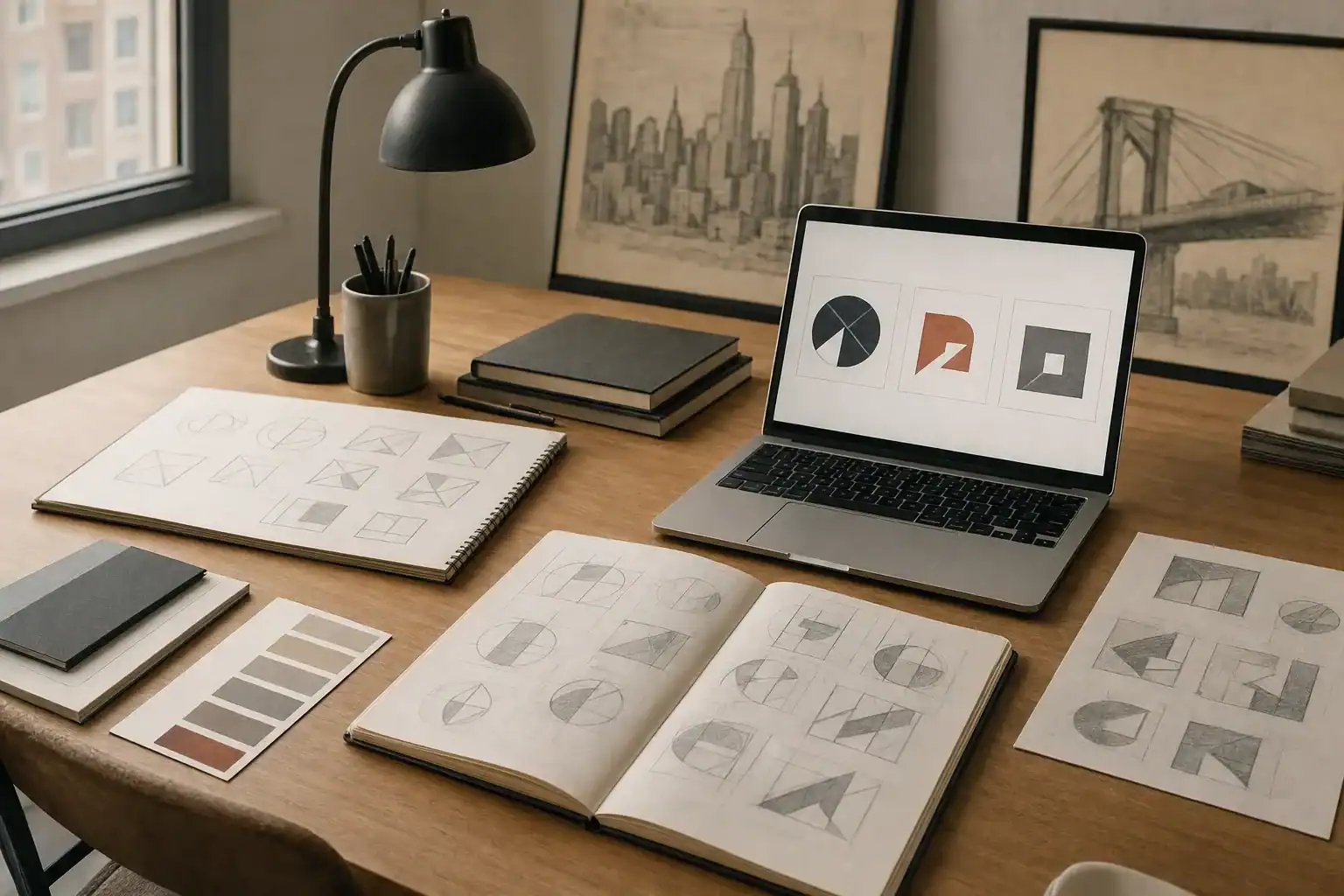
Choosing a logo designer should not start with asking who can make something look cool. A logo is only one part of a larger visual system. It needs to work on a website, business card, social profile, invoice, sign, packaging, email signature, printed flyer, proposal, and sometimes a product or storefront.
That is why the right logo designer is not just someone who can draw a mark. The right designer understands how the logo fits into the business, the audience, the brand voice, the photography, the colors, the typography, and the way people will encounter the company online and offline.
For small businesses, this matters because a logo often becomes the starting point for everything else. If it is poorly planned, the website may feel off before the visitor reads a single word.
Start with the business, not the symbol
A good logo should come from the business. Before choosing a designer, look for someone who asks useful questions:
- What does the business do?
- Who is the customer?
- Where will the logo be used?
- What feeling should the brand create?
- What competitors or references should be avoided?
- What does the current brand fail to communicate?
If the designer jumps straight to style without asking about the business, that is a warning sign. A logo may look good in isolation but fail on the website because it does not match the message, audience, or service level.
At FultonStudio, logo and identity work usually connects to the larger presentation of the business. A logo should support the brand positioning, not replace it.
Look for a designer who thinks in systems
A logo is rarely used alone. It needs supporting typography, color choices, spacing rules, alternate versions, and sometimes icon marks or simplified lockups. It should work in black and white, small sizes, horizontal formats, square social icons, and website headers.
A designer who thinks in systems will consider these uses before final delivery. This matters even more when the logo will be used on a new or rebuilt website.
For example, a very tall logo may look dramatic on a business card but awkward in a website navigation bar. A delicate script mark may look elegant on a large print piece but disappear on mobile. A logo with too many colors may be hard to use across print and digital materials.
The design has to work in the real world.
Ask what files you will receive
A professional logo project should include usable files, not just one flattened image. At minimum, a business should receive versions for web and print, including transparent PNG files, vector files, and color variations.
Useful deliverables may include:
- Primary logo
- Secondary logo or stacked version
- Icon or mark
- Black version
- White or reverse version
- Full-color version
- Vector files for print
- Web-ready PNG or SVG files
- Color palette
- Basic typography guidance
Without proper files, the logo becomes difficult to use later. A business may end up with blurry images, stretched graphics, mismatched colors, or a mark that cannot be printed cleanly.
Make sure the logo works with your website
A logo should not be designed separately from the website direction. The website is often the place where customers experience the brand most deeply.
A logo that feels modern, refined, bold, friendly, editorial, luxury, local, technical, or handcrafted should be supported by the site around it. The typography, photography, page spacing, color system, buttons, and service sections should all feel connected.
If the site and logo do not agree, visitors may feel that something is off even if they cannot explain why.
This is why branding and web design work better when they are planned together. A logo is not just a graphic. It is part of the first impression visitors get when they land on the homepage.
Do not choose only by price
Budget matters. But the cheapest logo can become expensive if it creates problems later.
A low-cost logo may not include the correct files, usage rights, alternate versions, or enough thought about the business. It may rely on generic icons or trendy type that does not fit the brand. It may also force you to redesign the website around a weak visual identity.
That does not mean every business needs an expensive identity system. A small business can start with a practical logo package and grow into a fuller brand guide later. The key is to make sure the work is clear, usable, and built for the places where the brand will actually appear.
Watch for overdesigned marks
A logo does not need to explain everything the business does. In fact, trying to include too much often makes it weaker.
A restaurant logo does not need every ingredient. A photographer logo does not always need a camera. A consultant logo does not need a light bulb. A web design logo does not need a computer icon.
The best logos are often simple enough to be remembered and flexible enough to be used across different materials. They should feel like part of a larger identity, not a visual puzzle.
Think about photography and content
A logo has to live beside images, copy, and page layouts. If your business depends on strong visuals, the identity should leave room for photography to lead. If your brand is service-based, the identity should make the information feel clear and credible. If your business is product-based, the logo should work with product photography, packaging, and e-commerce pages.
FultonStudio’s advantage is that we can connect identity work to website design, print design, and photography. That helps the brand feel less pieced together.
A practical way to choose
Before hiring a logo designer, ask yourself:
- Do they understand the business, or only the style?
- Can they explain why the design works?
- Will the logo work on the website and mobile?
- Will I get proper files?
- Can the designer think beyond the logo into brand use?
- Does the work feel specific, or does it look like a template?
A good logo designer should make the brand easier to use, not harder.
How FultonStudio can help
FultonStudio creates logo and brand identity work as part of a broader visual system. We can help with logo design, typography, color palettes, brand direction, website design, print materials, photography, and content so the brand feels consistent across every touchpoint.
If your logo feels disconnected from your site, your visuals, or the way your business has grown, start with a brand or website review or send a project request. The goal is not just a nicer logo. The goal is a clearer brand presence.